



Between Innovation & Reality at the digitalBAU in Cologne
digitalBAU 2026 in Cologne once again demonstrated just how far digitalization in the construction industry has come—at least when it comes to planning. After three intense days filled with conversations, insights, and inspiration, one thing became very clear: while architects and construction companies are already working with highly sophisticated BIM models, the next step—leveraging this data for sales and marketing—is still largely missing.
Two People, Countless Conversations
Realitiq in the Startup Area
As part of the startup area, we—CEO Christian Höll and Head of Marketing Carmen Rezac—were right in the middle of it all. And from day one, the event was buzzing, with consistently high traffic at our booth.
Most visitors came from planning and execution: architects, construction companies, and project developers. Many of them are already using highly detailed BIM models in new developments. In existing buildings, digital workflows are also gaining traction—especially through LiDAR scans used for renovations and structural analysis.
However, one recurring theme stood out:
There is still no suitable solution for actually marketing these projects.
This is exactly where we came in—and we repeatedly heard that our solution would be recommended directly to developers.

From Planning to Emotion
“Real Life SIMS” for Real Estate Sales
While many solutions focus on technical precision, we deliberately focus on user experience.
Our positioning at the event:
Digital twins as “Real Life SIMS” for real estate.
The idea is simple—but powerful:
Instead of just viewing a property, potential buyers can actively shape and experience it.
This clearly resonated. Because even the most advanced BIM models are often not accessible to end users. What’s missing is emotional engagement—and intuitive usability.

A Stage for New Sales Approaches
Talk on the Startup Stage
One of our highlights was the talk by our CEO Christian Höll on Wednesday:
“Faster Sales – Fewer Viewings: Digital Twins & AI in Real Estate Sales”
The conversations afterward showed just how relevant this topic is. Many attendees connected immediately—not in theory, but through real challenges they face in their daily work.

BIM Is Here—But What Comes Next?
Key Industry Insights
The event was dominated by highly advanced BIM, CAD, and AI solutions. Planning tools have reached an impressive level of maturity—from architecture to execution.
But this is also where a gap becomes visible.
Because:
- BIM models are often too complex for marketing
- IFC data lacks standardization for seamless processing
- End users are rarely considered in these workflows
For us, these were valuable impulses.
A logical next step would be the automated transformation of IFC files into simplified, marketing-ready models—currently still difficult to achieve. Similarly, the transformation of point clouds into intuitive editing environments remains a highly relevant topic.
In the long term, one thing is clear:
Planning and marketing need to become much more connected.

New Target Groups Emerging
From Construction to Interiors—and Soon to Consumers
Beyond architects and construction professionals, one group stood out: companies specializing in flooring, built-in woodwork, and tiles.
These conversations opened up a completely new perspective.
Many of them can clearly envision a future where customers create a digital twin of their home—and bring it into consultations. For example, to visualize how a new floor or specific materials would look in their own space.
For us, this is a strong signal.
Not only for new partnerships—but also for our next strategic step that was clear beforehand:
We will be entering the B2C market later this year.

Three Paths, One Goal
Our Approach to Digital Twins
While many solutions are highly technical, we remain focused on accessibility.
Currently, there are three ways to create a digital twin with Realitiq:
- LiDAR scanning directly via smartphone in existing properties
- AI-based “Paper2Pixel” transformation
- Manual modeling based on IFC/DWG files for new developments
Our goal remains the same:
Reduce complexity—and make digital twins accessible to everyone. Since many planners already use LiDAR scanners in existing buildings, which generate point clouds, one of the clear goals of the trade fair has also become to create an automated way to transform these into one of our digital twins.

Full Hall, Meaningful Conversations
Our Takeaway from digitalBAU 2026
digitalBAU was a complete success for us—not just in terms of quantity, but especially the quality of conversations. From the very beginning, the event was highly active, with particularly strong momentum on the second day and many concrete opportunities for future collaboration.
A nice highlight: already on the first evening, we were invited to dinner by the organizers of the PropTech Summit in Hamburg—a great start to what’s ahead.
While the final day slowed down noticeably, it gave us the chance to reflect on everything and wrap up the event with a very positive overall impression.
A big thank you to the digitalBAU organizers—and to everyone who took the time to connect with us.

Next Stop: Hamburg
PropTech Summit, Here We Come
There’s not much time to pause:
Our next stop as exhibitors will be the PropTech Summit in Hamburg at the end of April 2026.
We’re looking forward to continuing the conversations, gaining new insights—and actively shaping the future of real estate marketing.
See you there!
Did you enjoy this article?
Then you can find more events here
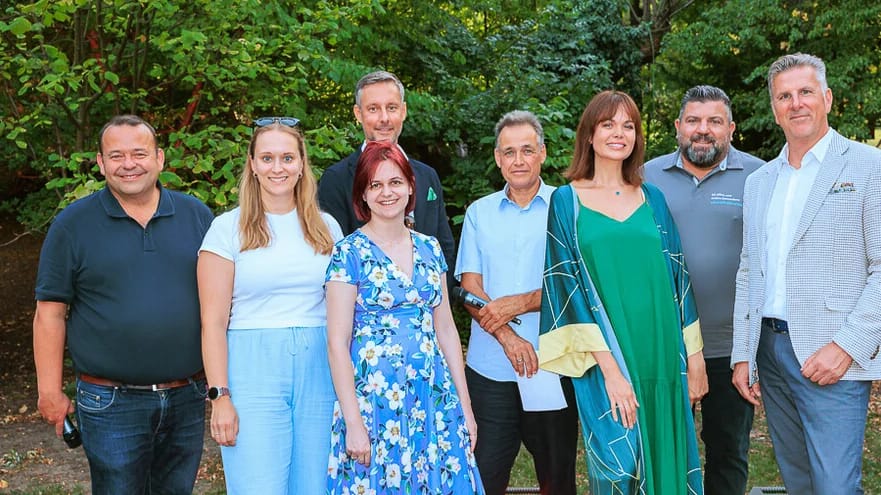
Immopicknick 2026: REALITIQ between networking, bee sting cake and new ideas
A relaxed atmosphere, engaging conversations, new connections, and an unexpected change from Kaiserschmarrn to bee sting cake: REALITIQ attended the IMMMA and ivalu real estate picnic for the first time. Our recap of a special evening in the Wienerwald.

REALITIQ at the Vienna Real Estate Club in Parliament
The real estate industry gathered in the impressive setting of the Austrian Parliament for the Vienna Real Estate Club. Realitiq was present with its own stand and used the opportunity for valuable discussions about digitalization, modern real estate marketing, and the future of the industry.

REALITIQ at the Real Estate Arena in Hannover
Packed exhibition halls, inspiring conversations and strong interest in new approaches to property marketing: At Real Estate Arena Hanover, Realitiq demonstrated how personalization and digital tools are shaping the future of real estate marketing while pitching at the PropTech Germany Awards in the “Transaction & Sales” category.

REALITIQ at the 51st Austrian Federal Real Estate Day 2026 in Bad Ischl
At the 51st Austrian Federal Real Estate Day in Bad Ischl, Austria’s real estate industry came together to discuss market trends, digital transformation and future developments. Realitiq was proud to be part of the event, engaging in valuable conversations and gaining fresh insights in the unique imperial setting of the historic spa town.

REALITIQ at the PropTech Summit in Hamburg
Two days at the PropTech Summit 2026 in Hamburg – and one clear takeaway: while the industry is heavily focused on planning, construction, and operations, marketing is often left behind. That’s exactly where Realitiq struck a chord.