
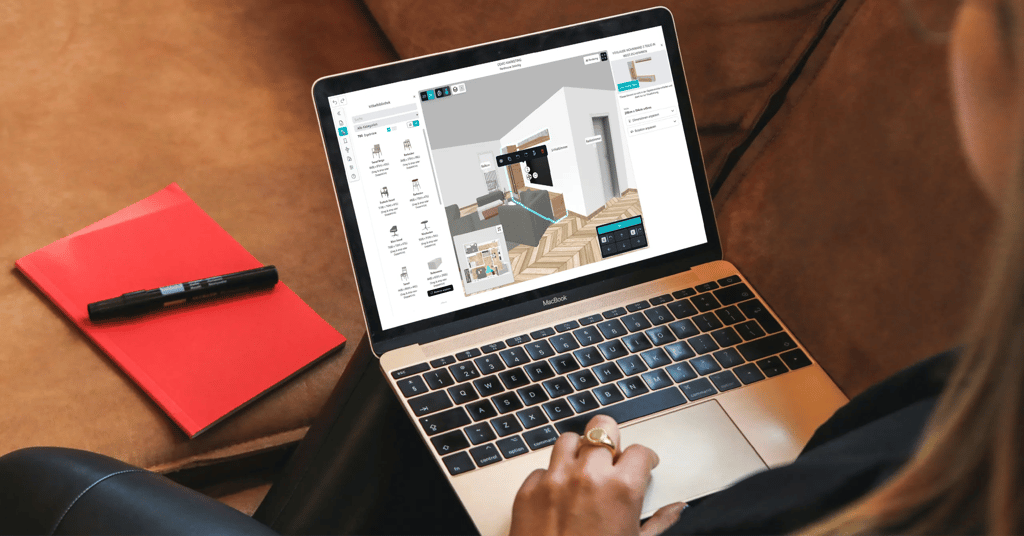

Real Estate Presentation Becomes Interactive
Classic 360° tours showcase rooms – digital twins bring them to life. Prospective buyers can explore floor plans, furnishings, and usage options themselves and customize them to their liking.
This article explains why this added value is unbeatable for potential buyers and, consequently, leads to a faster, more successful sale for you.
Why traditional real estate presentations are reaching their limits
Simply looking at the property is often no longer enough
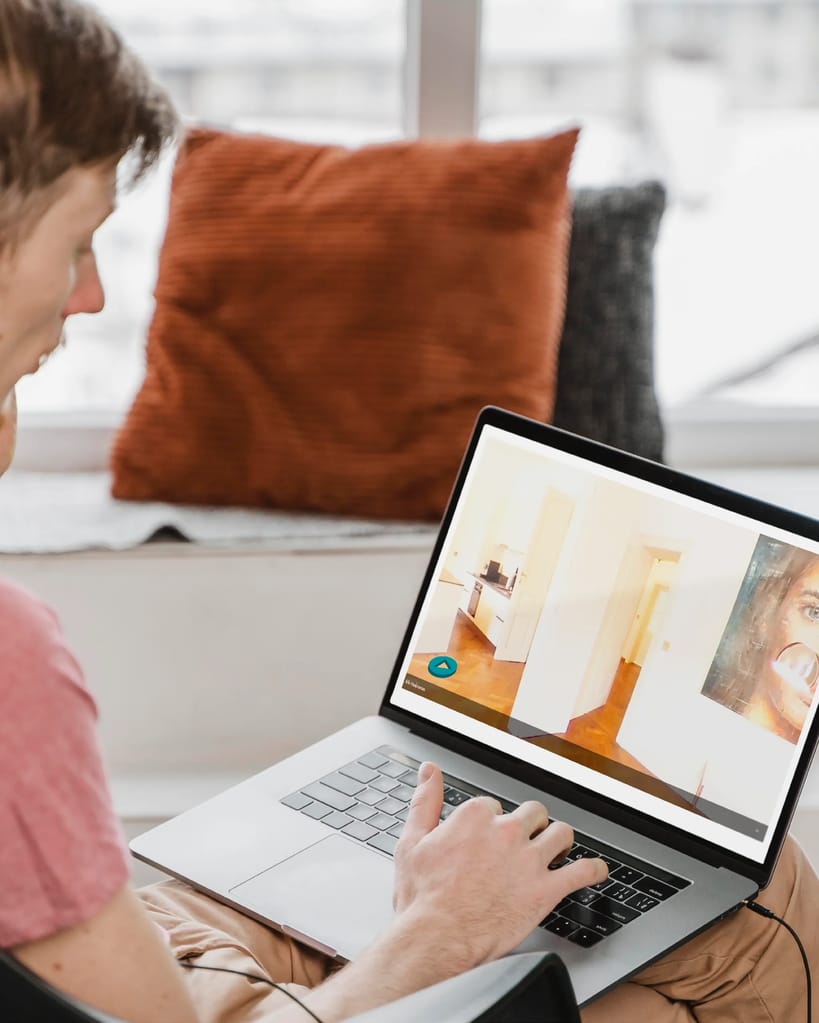
Images and virtual tours provide initial impressions, but they usually remain passive.
Prospective buyers see the property – but can’t actively experience it.
This often leads to uncertainty, especially with existing properties:
- Does the floor plan really suit me?
- How could I use the rooms?
- Where would my furniture fit?
- Does the apartment work for my everyday life?
Ultimately, while a 360° tour offers a comprehensive visualization of the rooms, it remains a form of presentation that shows the current state of the furnishings. The mental work of shaping and redesigning the property to suit one’s own needs still takes place in one’s mind.
Digital twins make real estate experiences truly unique
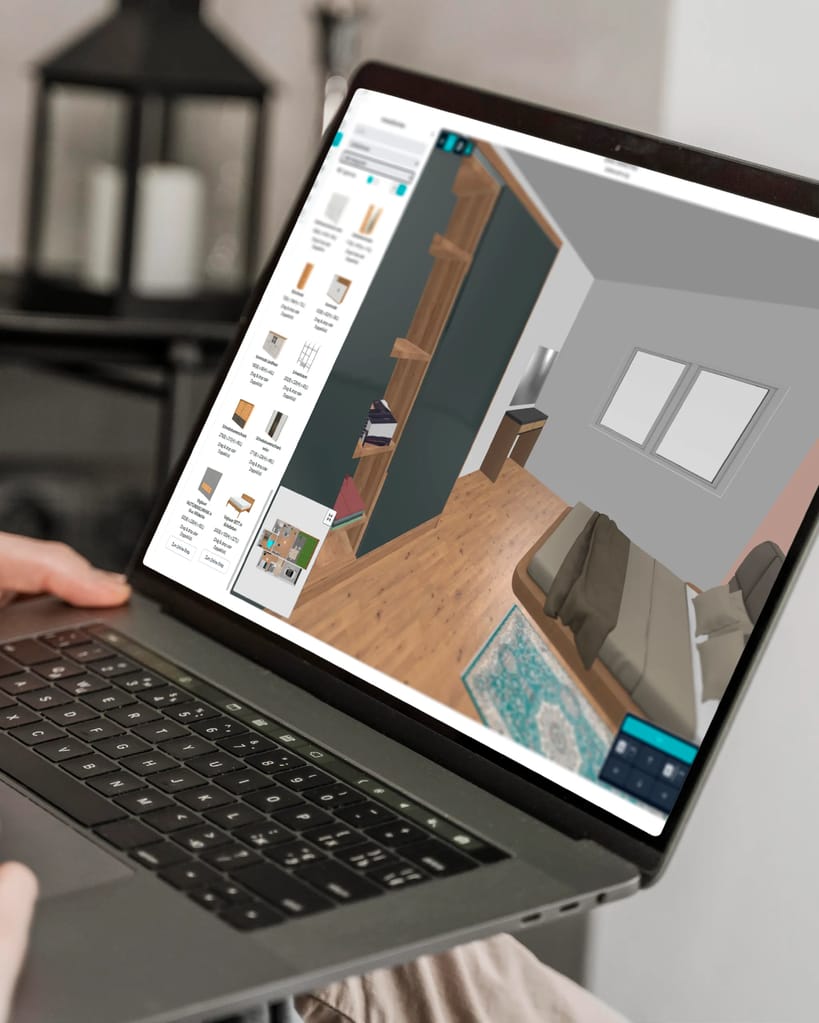
Prospective buyers can actively shape their properties instead of just watching
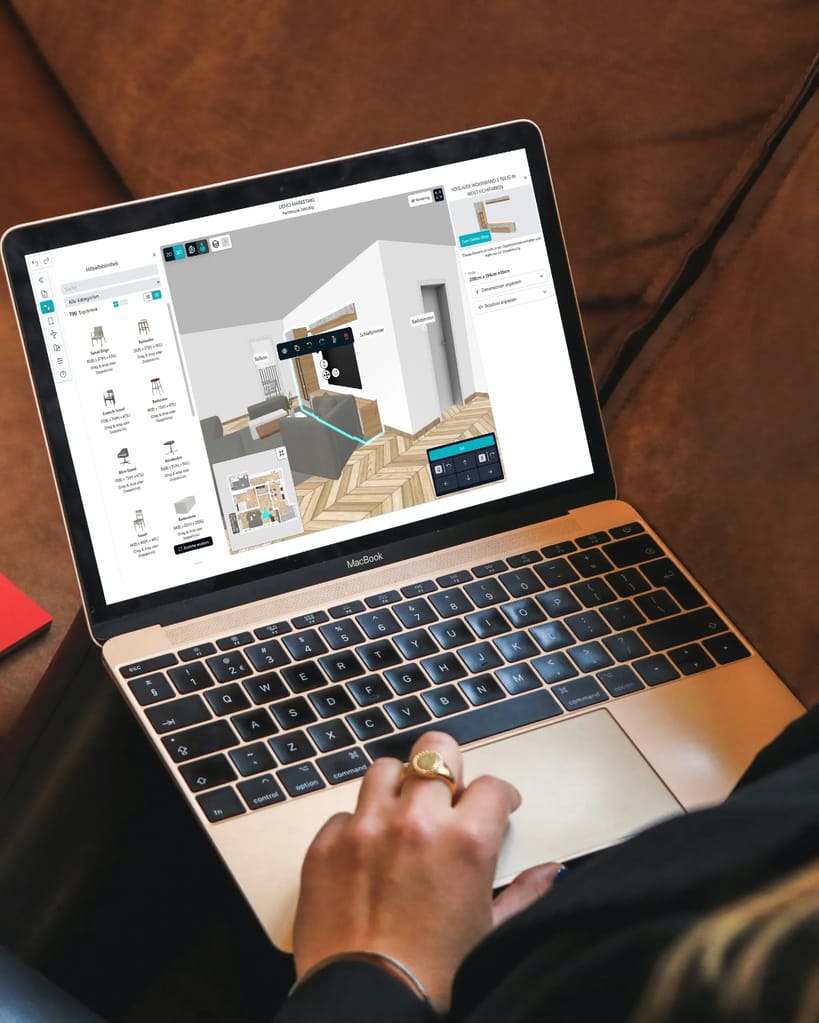
Digital twins transform traditional property viewings into interactive experiences.
Prospective buyers can:
- furnish rooms individually
- restructure them
- adapt them to their needs
- test interior design concepts
- explore different usage options
This allows them to engage with the property much more thoroughly.

Interactivity creates emotional connection
Those who create things themselves develop genuine interest more quickly
As soon as prospective buyers begin to personalize rooms, a stronger emotional connection is automatically formed.
The property is no longer just viewed – it’s already being used in the mind.
This very difference is what makes digital twins so valuable.
A simple presentation becomes:
- Inspiration
- Co-creation
- Identification
- Emotional experience
Ultimately, it becomes clear that it’s not the square footage of living space that matters, but what prospective buyers can do with the rooms. With digital twins, your prospective buyers gain the freedom, for the first time, to visually shape these ideas of their own life in the property.
From idea to realistic result
Your own concepts can be visualized directly
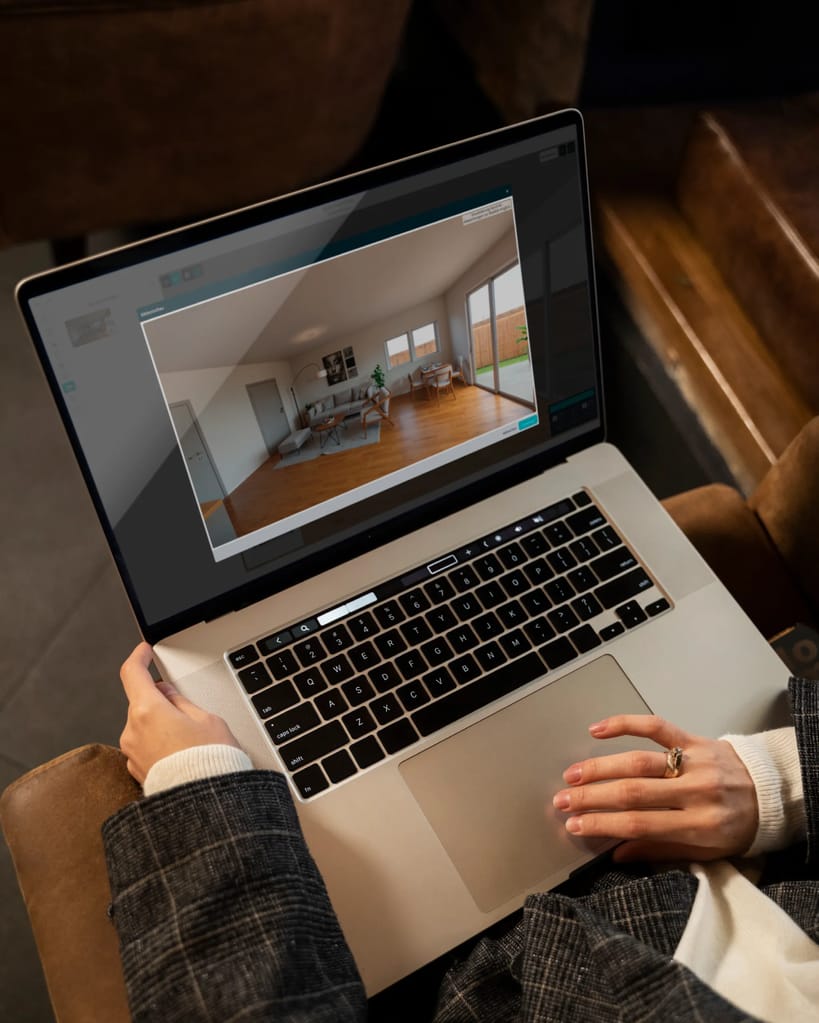
The digital twin becomes especially exciting when combined with AI renderings.
Interested parties can directly transform their own design ideas into realistic renderings and immediately see what their vision could look like.
This turns presentations into true interactivity.
Our conclusion
The future of real estate marketing is interactive
Digital twins fundamentally change the role of prospective buyers.
Instead of just looking at properties, they actively participate in the design process – and thus develop genuine interest more quickly.
Did you enjoy this article?
Then you’ll find more marketing tips here

(Part 2) EU AI Act in real estate marketing: What real estate agents and developers need to know about AI content
Artificial intelligence (AI) is no longer just supporting real estate companies with image rendering. Social media posts, property descriptions, videos, and automated marketing workflows are now also created with AI support. But what rules apply to this content? Do AI-generated reels need to be labeled? Who is responsible for automatically generated texts? And how can AI visualizations be used transparently and professionally? This article explains what real estate agents and developers should consider when practically applying the EU AI Act and how to safely integrate AI into their daily marketing.

(Part 1) EU AI Act in real estate marketing: What real estate agents and developers need to know about AI content
The EU AI Act introduces new requirements for the use of artificial intelligence in real estate marketing. Learn when AI-generated images should be labeled, what rules apply to social media, and how real estate agents and developers can use AI professionally.

Location Exposé and Digital Twin: Why real estate needs to be experienced inside and out
Digital real estate marketing doesn’t stop at the front door. Why modern property presentations need to make both the surroundings and the property itself tangible and interactive.

Google shows properties. REALITIQ lets potential buyers live in them
Google is testing new real estate listings and integrating property offers directly into search results. What does this mean for real estate agents, developers, and property portals – and why are digital twins and interactive property brochures becoming more important than ever?
Why the floor plan is more important today than the pure living area
Large living spaces are becoming less important. Instead, prospective buyers today primarily decide based on how flexible and practical a floor plan is. Especially in times of high real estate prices, the intelligent use of space is becoming the decisive factor.